Thursday, March 11, 2010

Leaving a Figure Skating Coach

Note from Ice Mom: This guest post comes from reader, mom to a male figure skater, trainer, and Advisory Board member sk8rmom. She wrote this in the comments of Ask the Ice Moms: Why Do Coaches and Parents Have an Adversarial Relationship? It's so good, though, that it needs to be a post.

If your situation is not working, and you have raised your concerns and met with a brick wall, then by all means make a change after careful consideration. Don't get stuck on a treadmill going to nowhere. The families I see that made a change were really stressed at the time, but have since been very happy with the decision.

I think that the "problem parent reputation" can be avoided if you:

1. Educate yourself. Read everything you can get your hands on. talk to other parents (though with caution). Listen to other people's experiences. USFS has handouts on these topics and blogs like this one and others are great resources to learn of other people's experiences.

2. Make a move with thought and consideration.

3. Don't hop from coach to coach. Do your research. Observe other parents and students working with that coach. Talk to other parents to see what their skater's goals are, are they similar to your child. Do the values that coach exudes seem to mesh with your child. Do you feel comfortable "having a relationship" with that coach. Are you willing to work on this relationship with this person. Does your child like the new prospective coach?

4. Close the old relationship in a professional way. Start the new one with your cards on the table. State what you need in terms of communication, find out if the coach is willing to work with this. etc.

4. Give the new coach a fair shake. Don't expect miracles in a short amount of time. Relationships take time to build. Skating is a journey, not an event.

One other thing that is very valuable is that after you have done your job and hired the coach, let them do their job. Step back and be the parent, not the coach. Trust them to get the job done. Support your skater emotionally and with praise. Their coach will do the rest.

Good luck!!! I wish everyone a great coach, each child and family deserve one!
- sk8rmom

VERY IMPORTANT UPDATE! From reader, coach, and Advisory Board member Xan of Xanboni!: I would like to add that you should make sure you have paid in full the coach you are contemplating leaving. An ethical coach will not take on a new student if they owe money to the former coach (this is a stricture of PSA ethical guidelines). And don't think you can hide this information, because the new coach will ask the old one, if they're smart. This is just smart -- if they didn't pay the old coach, what's your guarantee they will pay.


Have you ever switched coaches? What made you reach that decision? How did it go? How's life at the rink - awkward or O.K.? Is your figure skater happier? Let us know - you can comment anonymously, we don't mind!

Update: From reader Anonymous: I have switched coaches a few times before, and it was mostly because of scheduling or one coach moving away, etc. One thing I learned is that you must tell the old coach you are switching, and give them somewhat advanced notice. It is a little awkward, but just smile and say hi to new and old coaches and everything will be fine. They are used to it, honestly. People are always switching.

Update: From reader jumpingbeanmom whose daughter just switched coaches: [...] But once I decided and once I got the yes from the new coach that my daughter could go the their team, I didn't toil, make excuses or draw out telling old coach- I just went and said "I think this is what is best for jumpingbean" and left it at that- more like tearing off a bandaid!

Update: From advisory board member Seasonedsk8rmom: I researched changing coaches and realized that I can not compare my daughter to what other skaters are doing. My daughter's coach is also very good at knowing what her strengths and weaknesses are as a coach and when she sees that one of her skaters is not grasping a skill under her instruction, than she will happily have the skater work with another coach for a couple lessons to get different perspective on the problem.

Update: From skater idratherbeontheice: We switched because the previous coaches paid little attention to me, were often a little harsh, and did not know how to teach very well. In fact, one of them was teaching me incorrect technique- something that is biting me in the tail as I work on axels/doubles.

Have a question for Ice Mom or the Advisory Board? Have an idea for a post you'd like to see? Know more than Ice Mom? Better yet, do you know about dip-dying figure skating dresses? E-mail me at icemom.diane@gmail.com.

Ice Mom's Summer Camp Survey

Wednesday, March 10, 2010

Ask the Ice Moms: What Do I Do When My Figure Skater Feels Lonely?

This question comes from reader L.L.K. She's frustrated because her competitive figure skater has few friends. Here's a part of what she wrote:

[...]she is isolated and alone. She has no time (and to some extent - little desire) to keep in touch with the girls from her previous school.  She is ALWAYS training and none of them really skate. Furthermore, she wants NOTHING to do with the girls in her homeschooling group [...]

Despite the new lifestyle to which we have committed, she is a social butterfly [...] A life without friends, sleepovers and play-dates has left her feeling empty.  There is a deep sadness over the fact that she has no close friends. She would love to build a "true-heart", as she calls it, friendship with another skater who understands the dedication and discipline necessary to skate competitively. Her rink (which we LOVE) is a serious training facility and does not provide a very social atmosphere. When you are there - YOU WORK.

She is a figure skater who is educated at home and needs to meet others like her [...] but how the @#$% do I find them?!?!?!?!
This is a great question, L.L.K., and I don't think it's limited to figure skaters who are homeschooled or very competitive figure skaters. Ice Girl is in public school, skates a ton, and is sad that she has little time with friends. However, she doesn't want to give up the skating, either.

Here's what the Advisory Board had to say:

S.L., a veteran ice mom:
Lonely isn't just for homeschoolers. We never did after school activities or school sports due to skating right after school, then off ice and homework. One thing I committed to when she skated more was making sure I committed to getting her together with a school friend once a week (not easy, usually a weekend). Now mind you, we have plenty of social time at our rink and she has made just as good friends through skating now. Our rink is not as serious. She should try to find someone at her rink to connect with. Unfortunately it takes a while. They may need to commit to another activity/event or connect with a good "old friend" to find a social outlet. I would hate to encourage facebook, but maybe an old friend (or a new one) might connect with her there.
 PairsMom, the ice mom of the male half of the winning intermediate pairs team from the December 2009 Junior Nationals:


I think it is important for skaters to interact with their peers, both skaters and non-skaters.  Yes, it is difficult and if you are making your training the priority, and schoolwork right up there too, there will not be an equal "balance" because there are only so many hours in a day.  Maybe find other skaters that are close to her age at the rink and plan to go to lunch one day after practice, or maybe shopping or a movie, since they are expected to be working while they are at the rink.  This could be the beginning of a "once a week" ritual that they look forward to.  There is potential for a "mentoring" type friendship as well.  Another suggestion, does she have a day off where she attends church or maybe the local gym for off ice work, pilates, ballet?  This is another place to find friends.  This may give her an opportunity to bond with other girls that are close to her age that have similar commitments to their own sport or activity.  Several skaters at our rink enjoy traveling together to competitions, some are competing against each other and others are not, have to figure out what works best for your child.
Hang in there!  Be encouraged!  Most teenagers are going to find their own way eventually.
 Xan, the ice mom of a former Jr. National competitor and current show skater. She's also an adult skater, a coach, and the blogger at Xanboni!

I think that isolation is something that all high achieving kids experience. Their talent and focus sets them apart, and makes it difficult for them not only to connect with their peers, but making it a little scary for their peers to approach them.  My daughter felt this very keenly, that the kids were a little afraid of being her friend; she had to really work at it, and in fact eventually we found a coach who was known for the wonderful camaraderie she created among her skaters.

The obvious first place to look is at the rink, especially among her coach's other skaters, in particular the competitive group.  If she's only skating during school hours, talk to the coach about having one or two practices when she comes to the rink during the regular free style practice times.  Sign her up for the ice show and a class (again, let the coach know why you are doing this).  You can bring in friendships through bribes as well! If there's a special occasion coming up, like her birthday, bring a sheet cake and make sure everyone at the rink that day knows there's free cake! This works brilliantly. The first time someone does it, kids are a little shy; but if you can get all the moms to do it, believe me, kids coalesce around cake.
 Sk8rmom aka "p," the ice mom of a male competitive skater (intermediate level)

I have been in a similar situation as you, and known of others as well.  Often skaters have a focus and maturity that are not common to their age peers. There are other kids around with the same type of focus (be it skating or music or something else), but in a homeschool situation, you might find them few and far between just because you have a smaller pool of people that your skater is exposed to daily. Eventually, your skater will find at least one or two really good friends, if not a multitude that she will enjoy spending time with, but I know it can be hard waiting for that to happen.  

This is the first year we started homeschooling our skater who is in middle school. We did not start homeschooling because of skating, but it has made practice time a little easier. One thing that we consciously do is to go in for the early morning sessions three times a week to be with the other high-level skaters who attend traditional school. His home rink is a training facility with no public skating, so the skaters are seriously working, similar to your situation. Even though we have more flexibility with schedule, the early-early mornings help to keep our skater in contact with the other kids his age and level, and I feel is very important both for social interaction as well as keeping a competitive edge (it's well worth getting up early for).
Another great thing is that if your skater goes away to other rinks, regional or national competitions, this is a wonderful time to meet new friends. With all the instant electronic communication, it makes it easy to keep in touch. These kids are all in the same boat, practicing hard, loving skating, not much time to do everything they want to do socially. If your skater is a social butterfly, it might not be hard for her to get to know some of the other competitors. These friendships are different than the local friendships, but it gives her a broader pool to choose from and more chances to click with someone. It also gives more incentive to qualify for the next year if you are going to see some friends :).

I talk to other moms at the rink a lot. If there are new kids, no matter what the age or level, I introduce my skater to them. It is very fulfilling for a teen to be a "mentor" or friend to a younger skater. This is sometimes a good way to cultivate very satisfying relationships if peers are few and far between. Little ones are so free with their love and adoration LOL. 

Mainly keep the faith, be patient, I know it's heart breaking to see your child lonely, but with time, you both will figure out what works and she will find at least one special friend to spend time with.  

Maybe this little story will give you some hope knowing that you are not alone and that in time things will work out... It's been almost a year since my skater's good buddy quit skating; they used to "play" and push each other during practices, and it's been a little hard. Well, today, a really cool thing that happened. For about a month or so, my skater has been skating a couple days a week at a public rink.  He says hi to some of the kids, but usually just skates. There is a high-level skater that we see when we are there; she's amazing, and we always marvel at her jumps, etc. Today she started cheering my skater, copying the tricks and spins he was doing (of course doing it better :) and they had a nice exchange of "playing."

It was a really special thing to see; you could feel the change in energy at the rink when this give and take started happening. She even came up to me and started talking, just something little, but it broke the ice. I ended up talking to her mother and my skater had a blast. I am very hopeful that they can become friends even though they are at different skating level, ages and genders. It is just plain fun to have someone to "train" with.

Our Coach (and I say our, because I learn so much from him as well) says "even when skaters play, they are learning." And when in doubt about whether to let your skater to do something "teenagey" or go to sleep early, always remember that "these are kids that want to be skaters, not the other way around". Grab those opportunities.  

Good luck to the both of you! I know that given a little time, things will be better. Just by being concerned, you will help to make it happen for your skater!

From Seasoneds8rmom: mom to a 12-year-old skater and an adult synchro skater
My daughter is an extreme social butterfly. It is very difficult for her to balance skating and her social life. We do the best we can. She still attends public school and this helps a lot because she can still stay connected to her friends at school while she is attending school. There have been many times however that she has wanted to participate in activities with her school friends and has had to miss out because she has skating conflicts. I know that it can be very difficult to juggle mainstream school and figure skating at the championship level but I think if you can try to work with the school to allow her to leave school early or come to school late it may be best for your daughter socially and emotionally to go back to mainstream school.

Often times young skaters think that homeschooling will be best for their competitive skating but then realize after they start homeschooling that it is not the right choice for them. I often would ask my daughter if she wanted to homeschool but she would defiantly say "NO" because she knew that it would interfer with her social connections.

FYI ...Another place where my daughter has close social connections is at church and getting involved in team skating. Being apart of a team can really help to bring skaters together socially and help them make life long friendships. I know many seriously competitive rinks do not agree that team skating helps an individual skater because the coaches feel that it takes too much time and money away for individual practice and coaching time, but you have to do what is best for your child's well being overall. You want your skater to be a happy in all aspects of their life not just skating. If they are not happy in all aspects of their life they will begin to resent skating and get burnt out and eventually quit.

Ice Mom, ice mom of Ice Girl, a 14-year-old skater

I tell you, Ice Girl has this same problem. She attends public school, but skates all the time. It's tough for her to balance school, homework, and skating. In fact, she just broke up with her boyfriend because she couldn't stand the ribbing that came with their Facebook-only relationship. Boyfriend didn't understand why she needed to be at the rink all the time.

Part of what I do is have Ice Girl fill out the ice contract every month. She's in charge and she determines how much ice she wants. It doesn't mean that she has a social life, but it does mean that Ice Mom isn't forcing her on the ice and keeping her from her friends.

When Ice Girl first started figure skating, she had a hard time making friends. People can be slow to warm up and they see families come and go at the rink. Sometimes they wait and watch to see if the skater is serious or not. Now Ice Girl counts most of the skaters at the rink among her friends, but it took a while.

One of Ice Girl's competitive friends said, "I'm a figure skater. I don't have a social life." That's kind of sad, but it is a choice that kids make. There's definately a dip in events that Ice Girl can attend.
UPDATE FROM L.L.K.:
Today was a good day at practice! One of the other skaters who is a National Champion and trains with the same coach called Ice Princess over to introduce her to another skater (male pair skater who also trains with the same coach) who had been wanting to meet Princess! She was BEAMING and felt embraced for perhaps the first time by her peers. Mind you that Champion is 16 and Pairs Skater is nearly 20 - but they can be AWESOME mentor buddies to my sweet 10 year old!

Update: From reader Helicopter Mom, whose daughter has a best friend at the rink: We are lucky because one of my daughter's best friends is a skater too - they started at about the same time, go to the same school and skate some of the same freestyle sessions. On the flip side, I need to make sure there isn't too much socializing going on during practice time!

Update: From reader jumpingbeanmom: I go out of my way to make sure she can get to parties, have friends over etc. even if it is uber incovenient for me and the other family members because I know it is a huge sacrafice for her.

Update: From reader Jozet at Halushki: [...] keep Saturday afternoons/evenings and Sundays skate free [...] just knowing when friends can call her is a big help. Sometimes, kids would want to get together and call her last minute, and you know what happens after too many "I'm busy tonight" - kids stop calling. The sacred free time was a big help.

Update: From reader FrozenMom, who values her skater as a whole person: It is easy to get caught up in the competitive cycle and forget that they are children who need friends to share the successes and also the bad times, any athlete can suffer an injury which stops their competitive lifestyle for good or for years, I see it as part of my job to make sure that if that did happen it doesn't feel like life is over!

How about you? Is your Ice Girl or Ice Boy lonely? What have you done to balance skating, school, and a social life? 

Have a question for Ice Mom and the Advisory Board? Do you have a suggestion for a post you'd like to see? Are you an expert and want to share your wisdom? E-mail me at icemom.diane@gmail.com.

Ice Mom's Summer Camp Survey

Tuesday, March 9, 2010

How-to: Make a Fleece Seat Saver for Figure Skating Competitions

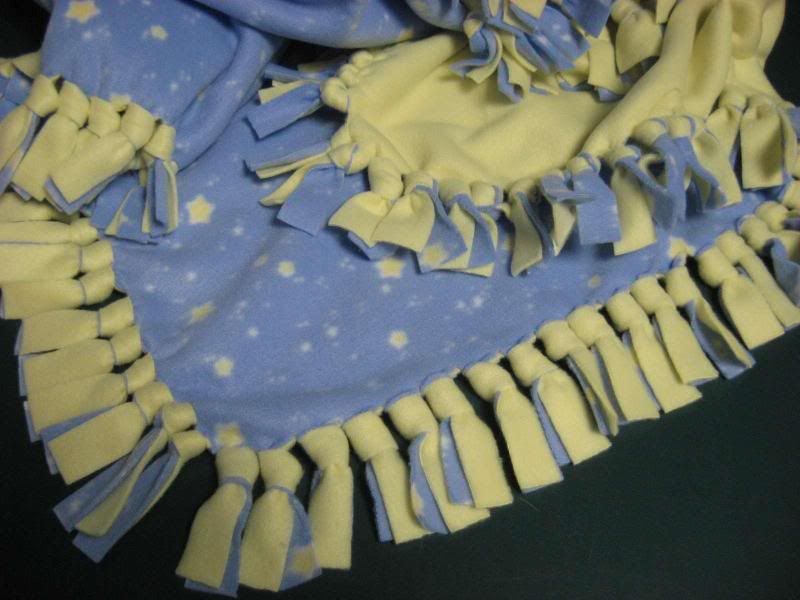
I went to a synchronized skating competition a few weeks ago. The rink stands were packed. Like most spectators, we'd brought our no-sew fleece blankets and spread them out carefully over our bench seats. It's a smart thing to do because the folded blankets keep your rear end from freezing to metal benches and the blanket saves your seat if you have to grab a cup of coffee or run to the restroom.
The competition was so packed, though, that other spectators had a hard time leaving and returning to their seats. The folks behind us must have had very small bladders because they kept coming and going, each time crossing over our blankets.
 
These people stepped all over our blankets, trod on our coats, and nearly upended a cup of hot cocoa on me.
 
Competition lesson #1: Never wear anything in the stands that won't look good with a splash of someone else's coffee on it. Ice Grandma? This means you. Do not wear that fur coat, Mom. I don't care if you've just fed it and walked it. Someone's going to spill on it and you'll be loud, obnoxious, and telling everyone in a 50-foot radius how mink looks lousy with mocha. Leave it at home, Mom. Yes, the hat needs to stay home, too.
 
Competition lesson #2: Make cool no-sew fleece seat savers. (It's the same for a big no-sew fleece blanket, just smaller)
 
The synchro team next to ours had a very smart bunch of parents. These people brought no-sew fleece blankets like the rest of us, but theirs were narrow and perfectly sized to fit the bench seats and accommodate two people sitting on them. The blankets had their synchronized skating team colors - one color on each side - and were embroidered with the team's name. Alright, the embroidery was kind of over the top, but I guess the embroidery prevented others from taking them. At least, it prevented me from taking one.
 
Materials:
  • 1 1/2 yards double-sided fleece - any color
  • 1 1/2 yards double-sided fleece - another color
  • sharp shears
  • ruler
 
Method:
  1. Wash and dry the fleece fabric
  2. Lay the fleece fabric on top of one another, wrong sides together and edges squared up
  3. Make a straight line from selvage edge to selvage edge, 15 inches from the cut edge. (The selvage edges are the machine-finished edges of the fabric that run perpendicular to the cut edges.)
  4. Cut along that line
  5. Repeat steps 3 and 4 so you have three pieces of 15" wide fabric
  6. Cut off the selvage edges of the fabric, making sure that the edges of the layers are even
  7. On each corner, measure in three inches and draw a line. You should have a three-inch square at each corner. Cut out the three-inch square and discard
  8. Lay your ruler along one of the cut edges of the missing squares. Make sure that the ruler is straight across the square and parallel to the long edge
  9. Make cuts every inch along the ruler to make the ties. Your cuts will be spaced one inch apart and will be three inches long. Move the ruler as necessary
  10. Once you've finished cutting all the blanket ties, tie the front and back together in a double knot, skipping every other tie
  11. Flip the blanket and tie the remaining blanket ties with a double knot
  12. Look very smug when you put the seat saver blanket down on your bench seat
My plan is to make a couple of these for the next competition. If someone steps on my fleece seat saver, I'll just flip it over. And plot ways to trip those people if they stomp on my stuff again. Maybe I'll spill my hot chocolate on them, accidentally-on-purpose.

 
How about you? How do you survive all day at a competition on hard, cold bench seats? How do you keep your mother from embarrassing you in front of everyone? How do you keep your husband from working the crossword puzzle? Do you have any other competition day tips? Share 'em!

 
As always, please let me know if you have a question for me or the Advisory Board. If you have an idea for a post, or you'd like to write something yourself, that's cool, too! E-mail me at icemom.diane@gmail.com.

 
Ice Mom's Summer Camp Survey

Monday, March 8, 2010

How-to: Display Figure Skating Medals

Reader Anonymous sent me a comment:

[...] I was wondering how you display Ice Girl's medals. My daughter has been skating for a few years now but I have yet to think of a good way to display her medals. What do you think? Thanks!

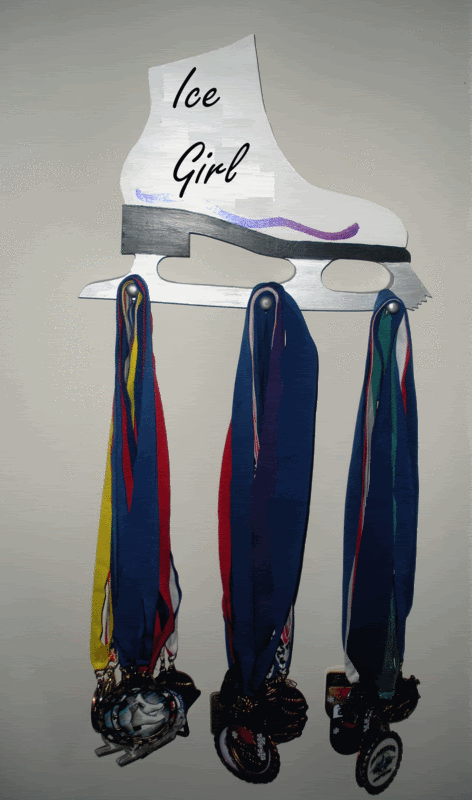
As you can see from the photo, this is how we display Ice Girl's medals.

I bought this wooden skate at a competition for an unbelievable price: $12. I wish I had bought two. The gal who made it had her husband cut the skate out of wood with his jigsaw. She sanded it, painted it, added wooden pegs to the front, and hooks on the back for wall hanging.

If you don't have a husband with a jigsaw, you can still accomplish this same thing pretty inexpensively. Craft stores carry ready-made boards with pegs on them. Paint, add hanging hardware, and display.

The whole project, including paint and hardware, should set you back maybe $10 - $12.

Update: A fabulous DIY renovation project from Advisory Board member, figure skating parent to an Olympian, and Life on the Edge blogger Allison Scott: One of the things that we used to do (though now it is totally impractical after 20+ years of medals) is to frame the top ones with the competition programs. Please note: If your skater stays in the sport for a long time and succeeds, you may be able to take each of those frames, cement them together and build an addition to your house – a little DIY recycling project that could help your bank account! 

What do you do with your skater's medals? How do you display the trophies? Please share your ideas in the comments!

As always, if you have a question for Ice Mom or the Advisory Board, please send it to me! If you have an idea for a post or would like to write a guest post, please let me know, too! E-mail me at icemom.diane@gmail.com

Ice Mom's Summer Camp Survey

Friday, March 5, 2010

Ice Mom’s Sewing Guide: Laying out the Pattern

This post is part of Ice Mom's Sewing Guide.
Other posts in this series: All about Patterns, All about Fabrics, How to Dye Silk for Fabric Skating Skirts, Altering Your Growing Skater's Figure Skating Dress, Laying out the Pattern.

Laying out and cutting the pattern will take you longer than any other step. However, if your layout and cutting are terrible, the dress isn’t going to look right. Resign yourself to taking a long time with this process.

Before beginning this step, you should have prepared your pattern. If you haven’t, please read Ice Mom’s Sewing Guide: All about Patterns.

My set-up: I have a folding cut-out table on casters in my front room. I push the coffee table out of the center of the room, settle my dog and his dog bed by the door, wheel my cutting table in front of the wide-screen TV, and pop a DVD in the player (my preference: Dexter. Serial killing goes well with pinning and cutting.) I have two high wooden stools and I place them on either side of the table. A glass of iced tea and I’m set for two hours.

I know a very good seamstress who lays out and cuts patterns on her vinyl floor. That sounds uncomfortable to me. I used my kitchen table for years (rectangle are much better than round). I really like my white folding cut-out table, though, because it’s countertop height and it folds up so I can hide it behind the sofa. No stooping over the table to cut or pin. The table set me back $50; normally, it’s $100, but I had a half-price coupon at the fabric store.

You will need:
  • Fabric, pre-washed (if washable)
  • Pattern pieces (that you’ve traced and fitted)
  • Sharp pins (dull ones snag, especially on Lycra)
  • A long, wide table that you don’t mind nicked up
  • Sharp fabric shears
  • Sharp fabric snips
  • Tailor’s chalk or disappearing ink fabric pen
  • Iron and ironing board
  • Flexible measuring tape
Iron everything. Be sure that your iron is set to a low setting for most of your ironing. Lycra is a synthetic and it will melt like plastic under a hot iron. It will stick to your iron plate and make a messy goo. This is experience talking here, people. If your iron’s too hot, but you haven’t melted your fabric, you run the risk of leaving the impression of your iron plate on the fabric – think Shroud of Turin, but for irons.

If you’re ironing velvet or anything with a pile (like pannĂ©, Polartec brand polar fleece, or velour), iron on the back side of the fabric, again to avoid that unattractive Iron Shroud of Turin effect.

It’s a fantastic idea to fold your fabric precisely in half as you iron, selvage edge to selvage edge. You want a line down the middle for the next step.

Put the fabric on the table. This might seem deadly obvious, but it’s not. Often pattern instructions don’t tell you how to orient the fabric on the table so you’ll be able to cut out all of the fabric pieces and not need more fabric.

For figure skating outfits, lay the fabric on the table, wrong side up with the ironed crease running down the table’s center and the selvage edges hanging over the sides. Bring the selvage edges up to the folded center so that the two selvage edges are touching. When you look at the fabric, you should see this: long fold, selvage edge at the center, opposite selvage edge at the center, long fold. At either end are two layers of cut edges.

You’re orienting the fabric in this manner so that you have more folds to work with. You also want to keep the fabric straight. You’ll orient your fabric parallel to the selvage edges, so you want to make sure that the fabric underneath is not crooked. Crooked fabric doesn’t lie well on the body.

Deal out the fabric pieces. Place the ironed pattern pieces on the fabric. If you see a straight line with two arrows on a pattern piece, that means that you’ll need to lay that piece out parallel to the selvage edges. If you see a line and arrows pointing to the cut edge of the fabric, that means to lay it out with the edge on the fold. Double-check what your pattern pieces are telling you, too. They’ll tell you if you need to cut on the fold or not. They’ll also tell you if you need one or two of the pieces.

I always orient my pattern pieces in the same direction. In other words, the tops of all the pattern pieces point the same way. This is a wise idea for fabrics with a pile or nap, like velvet. You know how velvet looks different from one direction to another? Yep. That’s why I lay all pattern pieces in the same direction, even if the fabric doesn’t have a nap.

It’s perfectly fine to turn a pattern piece wrong side up. That won’t affect anything.

Once you have all of your pieces in place on the fabric and you’re sure that you can cut them out without buying more fabric, you’re ready to pin.

Pin the fold lines and the grain lines first. I always start with pinning the fold lines first so the fabric doesn't shift around. I pin the pattern to the fabric parallel to the fold line and make sure that the fold line of the pattern matches the foldline of the fabric exactly.

For those of you who have never pinned before, there’s a trick to it. Begin stabbing the pattern and fabric at a 45-degree angle. When you hit the table, bring the pin back up at a 135-degree angle (the other 45-degree angle). If you’ve never pinned before, this will seem to take ages. Don’t worry – you’ll get better at it.

Next, pin down the grain lines. The grain line is the straight line with a error at both ends. Make sure this line is parallel to the selvages. Pin one end of the grain line to the fabric, keeping the pattern straight. With your measuring tape, measure the distance from the pinned part of the line to the selvage edge. Slide the tape measure down the line. Adjust the pattern piece so that the grain line end is at the same measurement as the first grain line end. Pin in place.

Smooth out and pin. Working parallel from your fold line or grain line pins, smooth out the pattern gently over the fabric and pin in place, parallel to the pattern edge about ¼ - ½ inch from the edge. You’re just smoothing things out here, you’re not stretching anything. Pin the entire pattern in place, making sure that the corners are tacked down.

That’s it for the layout post. Next post, we’ll cut!

Update: From reader Beth: When sewing on woven (non-stretchy) fabrics, the grainline (arrow on pattern pieces) should be parallel to the selvages. On stretchy fabrics the arrow follows the greatest degree of stretch in the fabric. Depending on the fabric, the grainline will be either parallel to or perpendicular to the selvage. On the disappearing ink or water soluble pens, always test on a scrap of fabric and never iron over those marks or they may become permanent. Don't ask how I know this. 
Note from Ice Mom: Ugh. Don't ask how I know it, either.

Update: From reader Silver Blades who cautions sewers against letting excess fabric hang off the cutting table: I also forgot to mention two things about cutting out stretch fabrics. Do NOT let the fabric dangle over the edge of the cutting surface! It will stretch prior to cutting and once you cut the piece it will spring back and be too small. Yes, I have done this. I now pull up a chair or stool to the edge of the table or neatly fold the excess up at the table edge so it is not pulling itself out of shape.

Do you have any questions about this process? Better yet, did I leave something out? Even better: do you have a fabulous tip? Please write about it in the comments!

Have a question for Ice Mom and the Advisory Board? Do you have an idea for a post? Would you like to write a guest post? That's fabulous! E-mail me at icemom.diane@gmail.com.

Ice Mom's Summer Camp Survey

Thursday, March 4, 2010

Can You Help this Mom? Figure Skating Music That's NOT for Princesses

As always the readers are very generous with their music ideas. Check out the comments for great suggestions!
 
I cracked up in my cubicle when I received this plea:
[I need] age-appropriate music and costumes that aren’t Disney!


[Dear daughter] is 7, turning 8 next year, and competing in Canada at a fairly low level [...] The time has come to choreograph a new program and DD’s [dear daughter's] coach ( who we love ) loves Disney.

I cannot do Disney any more. And at every competition there are several girls skating to various Disney Princess songs. Ugh.


I would love other suggestions because if I don’t up with one, she’s going to be skating to Disney. Again.
I suggested that DD skate to a Disney villain, because I think that Cruella deVil on the medal stand with Snow White and the Little Mermaid would crack me up. Man, I need more coffee. Or less.

Can you help this mom? If you have music suggestions, please put them in the comments. And, for the love of Pete, not The Candy Man or Puff the Magic Dragon. We can't have everyone at the rink try to break the kid's CD. She'll cry.

Do you have a question for Ice Mom or the Advisory Board? Do you have an idea for a post? Better yet, are you an expert at something - like airbrushing dresses (hint, hint)? Why not write a guest post? E-mail me at icemom.diane@gmail.com

Ice Mom's Summer Camp Survey

Wednesday, March 3, 2010

Ask the Ice Moms: Why Do Coaches and Parents Have an Adversarial Relationship?

This question comes from reader E.L.W. She’s frustrated because she observes that parents and coaches at her rink aren’t communicating effectively with one another. Here’s a bit of her e-mail:

My daughter isn’t only in ice skating (Basic Skills 7) - she is in a few other things like piano and school. What I find interesting is that her other teachers give the parents assistance in helping their child learn new skills, whether that be a checklist of what music exercises she should practice at home during the week or for that matter, homework. 

I took piano for 12 years.  I would never have shown up to a lesson without taking the time to practice during the week.  I took that practice mentality to figure skating only to find that something else seems to be going on.  I don’t know what exactly but here it is.

The ice skating coach has mentioned NOTHING for her to do between lessons.  It is rare if one of them deigns to speak to the parent.  The child is supposed to come out on the ice and wait until the coach finishes with the child before her and when that lesson ends there is another child waiting in the wings. 
This doesn't make sense to me.  I'm paying for her to be learning - not just for the joy of writing checks.


Ouch. Sounds like E.L.W. is pretty upset.

Here’s what the ice moms on the board have to say:

From Xan, who is a coach, a figure skating parent of a Jr. Nationals competitior, an adult skater, and the blogger at Xanboni!:
Perhaps they could ask the coach to choreograph a short number incorporating all the skills she's working on. Then she could practice that. This makes the practice seem more fun and she doesn't have to remember skill to skill, if she just skates the program she'll be using her skills.  The mom should also sit down with the coach every 4-6 weeks and ask for a progress report and a practice guide. There is often no time during lessons to do this, and no time between lessons for the conversation, which is a drag, but also a reality. Coach is probably more uncommunicative than is strictly diplomatic, but as you say this may be the culture at the rink, and the exigencies of the schedule.

From PairsMom, whose son and his partner won Jr. Nationals in Intermediate pairs December 2009:
Parents, Coaches, and skater must all be part of the same team.  If you do not feel that this is happening, try to communicate with the parents/skater, and if after time nothing has changed, then it is time to move on. There are plenty of coaches and hopefully there is one available at your rink that will guide your child towards success and enjoyment of the sport.

Talk to the skating director at your rink to see what the expectations are for that particular program. Ask her for suggestions on how to get the most out of it to benefit your child; it is YOUR money and YOU are your child's ADVOCATE in this situation.

From Ateam on the Edge, the parent of a skater son, mom of a skater Olympian, and blogger at Life on the Edge:

This is a classic struggle for control and it seems to be prevalent throughout skating. We saw it at the Basic Skills level and we saw it up until about a year ago.

Without going into detail, the one thing a parent has to remember is that the coach is an employee, not an employer. You pay the bills, and as it is in any workplace, there is a little matter of accountability. I think the biggest issue is that parents don’t set the ground rules early on. My suggestion: Have a serious conversation before a single blade hits the ice in a lesson. Outline a cooperative plan for communication (a “business plan,” if you will); do a “90 day review;” expect a year-end meeting and evaluation, goals setting for the coming year and a regular schedule of meetings. That doesn’t mean that a parent can intrude on a coach’s private time, make a ton of late-night phone calls or spam the coach with emails. A smart coach will value his or her time and charge an overbearing parent for that time at the same rate as he or she charges for lesson time. That’s just good business. A great plan, set and agreed to in advance, can avoid all that anyway.

I am not suggesting that this has to be adversarial at all. View it like any other vendor you employ and put in charge of something you value – in this case, your child. You wouldn’t turn your car over to a mechanic without knowing what to expect. You wouldn’t turn your business over to a manager without accountability and a plan in place. Why, then, would you turn your child over to a coach, who will be a huge influence on them both on and off the ice, without a business agreement and a plan of action? Proper planning produces preferred results with a minimum of misunderstanding and missed communication.
From C.L., a parent of a 9-year-old figure skater:
Switch coaches and rinks :) or she could ask her coach to put together a non-lesson practice sheet for her daughter. For example, type of skill and number of times she should practice it, for each non-lesson time. Also, an off ice pilates/yoga/stretching checklist would be helpful too.

From S.F.:
Does the skater have a notebook/spiral notebook for the coach to make a few notes on during the lesson? Then the skater would know what to practice before her next lesson and mom would have some info about what happened during the lesson. One tactic I have used until I get to know the coach is not hand the check to  Amy. This forces the coach to come off the ice to get their check. The parent then has an brief opportunity to speak with the coach.  

From Kel, a parent of a 9-year-old figure skater:
When we started with my daughter's coach, she actually gave her a binder which included her on- and off-ice practice lists, a tab for competitions, a tab for ice contracts.  I wonder if the parent has directly asked the coach what the student should be doing between lessons.  Perhaps, this coach does not frequently deal with newer skaters that would need this kind of guidance?  I can imagine that someone that more regularly deals with higher level skaters would not have provided my skater the same attention.  I'd just talk with the coach and tell her what you think your skater needs -- give her notice that you want a few minutes so she has time to talk.  Nothing worse than a parent that demands a bunch of attention when the coach has ten other things she needs to be tending to...

From S.G., whose daughter switched coaches last year. It was awkward.

I have learned from experience that when hiring a coach for your child you need to interview them first. And, yes, you are hiring them. How do they teach? Is there teaching style compatible with your child's? What do they expect from you as a parent and what do you expect from them as coaches? If they are not meeting your expectations, then you need to communicate with them. A majority of the time it will not be right after or before a lesson. You may have to call or E mail them. If you do this and things still do not get better, then you may need to find another coach for your child. With each experience you learn quickly what is important to you and your child. It is easier to be proactive rather then reactive. Good Luck!

From Ice Mom:
I know of a coach who makes a list of skills for the skater to work on. If the skater is a pre-reader, she includes photos. She takes the photos from competitions, prints them out, and shows the skater visually what to do.
As far at the communication problem, I have no idea why the coaches at your rink won't talk to parents. I know of a few coaches like that, but for the most part, coaches in the clubs Ice Girl skates in communicate with parents. It sounds like a rink culture thing, which is too bad. I would suggest breaking that unspoken rule and pretending you don't know it exists. After all, you're paying for this.
Update: From Sk8rmom, who is a genius. Want to switch coaches in a classy way? Scroll down the comments, find hers, and read the whole thing. It's terrific.
 
Update:  Great advice from reader jumpingbeanmom: Go ahead and ask! I do know that some coaches like to talk via phone etc. if they have back to back students. If you don't get the attention you think you and your skater should get, look for another coach. My girls have notebooks as well as a whole book of stuff from their coach with practice expectations and the like.

Update: From reader Idratherbeontheice who had a difficult coach. Or two: I don't want to sound too harsh, but I had a two coaches like that once, and me and my mom have both found that just getting a new coach is the best solution. My mom tried talking to them, talking to the head coach at my rink, and all other sorts of things, but it didn't help very much. We finally changed coaches twice, and lucked out with my current coach. Altogether, we've found that with some coaches, talking doesn't make a big difference.

Update: From reader Anonymous who thinks many coaches are divas: I totally agree with this parent. Our daughter is also in other activities and sports and none of our sports/arts experiences has been anything like skating. I am totally frustrated with the skating culture. I think skating has an archaic culture which puts the needs of the coaches before the rights of the parents. Figure skating needs to be more attentive to the concerns of the present day consumer.

I think there are a lot of diva coaches which naturally follows from their years of being diva skaters. They don't want to COMMUNICATE with the parents they just want to TELL us what's what. No questions, please, thank you very much.

Update: From Canadian reader Falyn S who is v. satisifed with her daughter's coach: My daughters coach made up a book with a daily practice log (which has everything from off-ice warm up, stroking, spins, jumps, footwork, combos, and solo on it with how many times she should do each session and my daughter checks them off when completed) [...]

Update: From one of my favorite commenters, reader Season Williams, a figure skating mom and an adult skater: Coaches that are worth your time and money will be more than happy to have a meeting with you or speak with you over the phone. If you have a coach who is not willing to speak with you directly (in-person or by phone) than you should consider getting a new coach. 

Do you have any suggestions for this mom? How do you make the practice thing work? How do you make the coach-parent communication thing work? Please include your experiences in the comments!

Do you have a question for Ice Mom and the Advisory Board? Feel free to suggest a topic or write a guest post and share your wisdom, too! E-mail me at icemom.diane@gmail.com.  

Ice Mom's Summer Camp Survey